Tel:
Tel: E-Mail:
 English
 Chinese
 한국어
한국어
 Español




News
Quick Decision Matrix
| Decision Factor | Manual | Automated (Electric/Pneumatic) |
|---|---|---|
| Operator involvement | Required every cycle | None (automatic) |
| Cycle frequency | Low (<5 times per day) | Any (unlimited) |
| Speed | Operator dependent (2–10 seconds) | Fast (0.5–5 seconds) |
| Remote control capability | No | Yes (PLC, SCADA, DCS) |
| Hazardous area safety | Safe (no electrical) | Requires Ex d / Ex ia (pneumatic safer) |
| Initial cost per valve | $ – Low | $$$ – High (3–10× manual) |
| Installed cost (wiring/tubing) | None | $$ – Moderate to High |
| Maintenance | None (lubricate stem annually) | Moderate (solenoid, seals, calibration) |
| Fail-safe capability | No (requires operator action) | Yes (spring-return or battery) |
| Best for | Small lines (<2"), infrequent operation | Large lines, remote sites, high cycles |
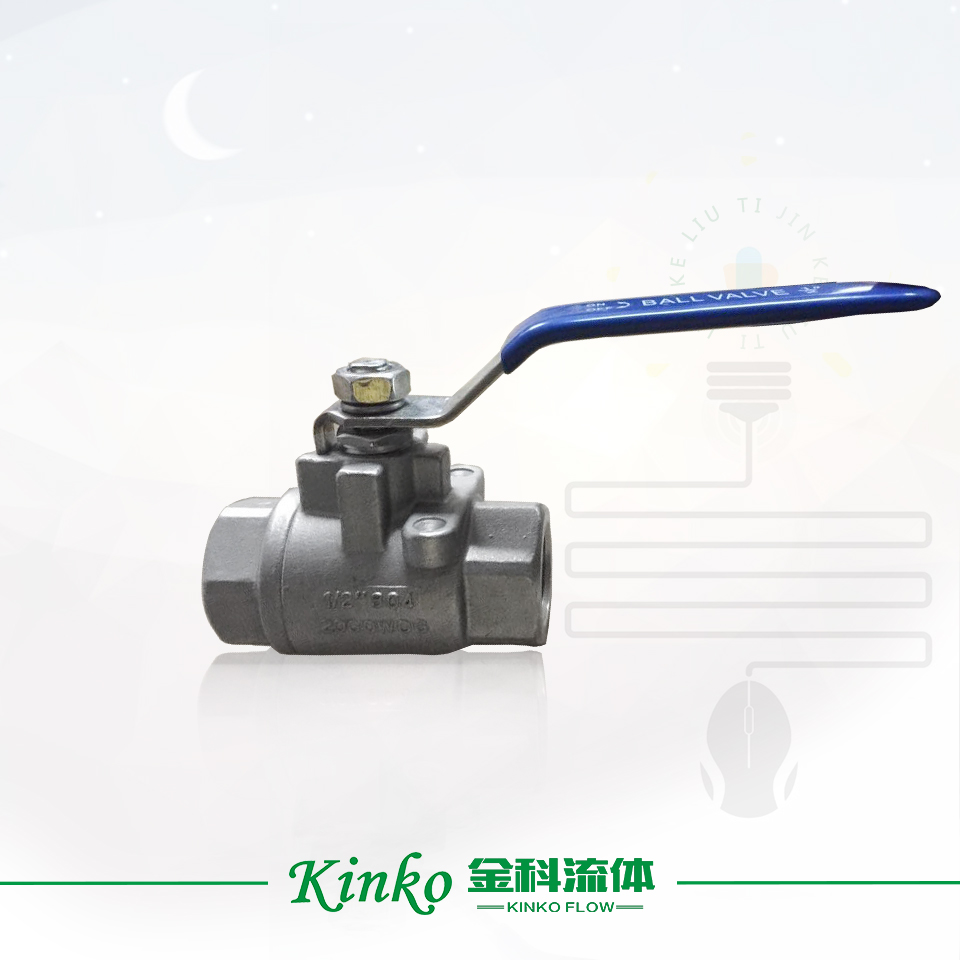
Manual Ball Valves – Overview
Types of Manual Operators
| Operator Type | Torque Capability | Best for Valve Size | Turns to Operate |
|---|---|---|---|
| Lever (handle) | Low–Moderate (<500 lb·in) | 1/4" – 2" (floating) | ¼ turn (90°) |
| Oval or T-handle | Low (<200 lb·in) | 1/4" – 1" (small) | ¼ turn |
| Gear operator | High (>500 lb·in) | 2" – 12" (trunnion) | ¼ turn (but geared) |
| Chain wheel | Moderate | Overhead installations (2"–6") | ¼ turn |
| Locking lever | Low–Moderate | Safety isolation (all sizes) | ¼ turn + padlock |
When to Choose Manual
| Condition | Why Manual is Best |
|---|---|
| Infrequent operation (<5 cycles/day) | Automation adds cost for no benefit |
| Small valve sizes (<2") | Lever torque is sufficient |
| No power or instrument air available | Manual requires no utilities |
| Budget-constrained project | Manual costs 1/10th of automated |
| Temporary or portable installation | No wiring or tubing needed |
| Maintenance isolation points | Lockable lever provides safety |
| Simple on/off with local operator | No PLC or control system needed |
Limitations of Manual
| Limitation | Impact |
|---|---|
| Operator required at valve location | Remote sites impossible |
| No position feedback to control room | Unknown status |
| Slow for emergency shutdown | Operator reaction time (10+ seconds) |
| High torque for large valves (>4") | Gear operator required (still manual) |
| No failsafe | Valve stays put regardless of condition |
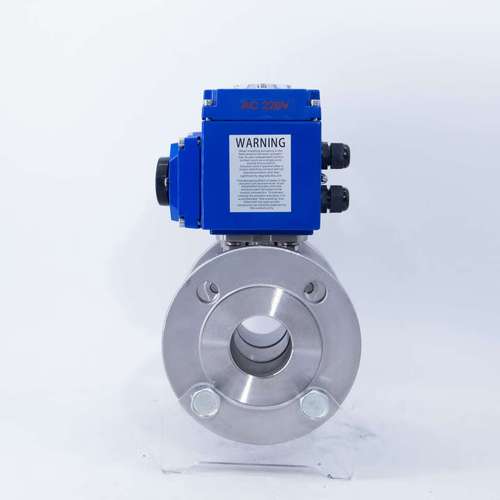
Automated Ball Valves – Overview
Pneumatic vs. Electric – Quick Comparison
| Feature | Pneumatic | Electric (Motorized) |
|---|---|---|
| Power source | Compressed air (40–120 psi) | Electricity (24V DC, 110V, 220V AC) |
| Speed | Very fast (0.2–2 seconds) | Slow (2–60 seconds) |
| Cycle frequency | Unlimited | Limited by duty cycle (S2/S4) |
| Hazardous area | Best (no arcing) | Needs Ex d enclosure |
| Modulating precision | Poor (dead band >2%) | Excellent (0.1%) |
| Energy cost | High (continuous air leakage) | Low (only when moving) |
| Fail-safe (no power/air) | Spring return works | Spring or battery backup |
| Position feedback | Limit switches or positioner | Built-in or external |
| Initial cost (valve + actuator) | $$ | $$–$$$ |
| Installed cost | $$ (tubing + solenoid wiring) | $$ (power + signal wiring) |
| Best for | Explosive areas, high cycle, fast shutdown | Remote sites with power, precision control |
When to Choose Automated
| Condition | Why Automated is Best |
|---|---|
| Remote or inaccessible location | No operator required on-site |
| High cycle frequency (>5 cycles/day) | Operator fatigue and cost |
| Emergency shutdown (ESD) | Fast, repeatable, fail-safe |
| Integration with PLC/DCS/SCADA | Full remote monitoring and control |
| Large valve sizes (>4") | Gear operator still manual (automated better) |
| Precise flow control (modulating) | Positioner provides 0.1% resolution |
| Batching or sequencing | Repeatable timing and positioning |
Limitations of Automated
| Limitation | Impact |
|---|---|
| Higher upfront cost | 3–10× manual valve price |
| Requires power or air | Not for sites without utilities |
| Maintenance required | Solenoid, seals, capacitors, batteries |
| Complexity | Requires calibration and programming |
| Failure modes | Power loss, signal loss, mechanical jam |
Total Cost Comparison (5 Years)
Example: 2" Ball Valve, 10 Cycles per Day
| Cost Element | Manual (Lever) | Pneumatic | Electric |
|---|---|---|---|
| Valve cost (2" reduced port) | $150 | $150 | $150 |
| Actuator cost | $0 | $350 | $400 |
| Solenoid / controls | $0 | $100 | $150 |
| Wiring/tubing (50m) | $0 | $150 | $200 |
| Installation labor | $0 (no) | $200 | $250 |
| Maintenance (5 years) | $20 (lube) | $150 (rebuilds) | $120 (battery, lube) |
| Total 5-year cost | $170 | $950 | $1,270 |
Conclusion: Manual is cheapest by far for low cycles. Automated costs 5–7× more.
Example: 2" Ball Valve, 100 Cycles per Day (Remote Site)
| Cost Element | Manual | Pneumatic | Electric |
|---|---|---|---|
| Operator cost (100 cycles/day for 5 years) | $50,000+ (unrealistic) | $0 | $0 |
| Feasibility | ❌ Impossible | ✅ Yes | ✅ Yes |
| Total 5-year cost | N/A | $950 | $1,270 |
Conclusion: Automated is not optional – it's mandatory for high-cycle or remote duty.
Decision Tree
| Question | Yes → | No → |
|---|---|---|
| Is valve located where operator can reach it safely? | Next question | Choose automated |
| Is cycle frequency <5 times per day? | Next question | Choose automated |
| Is budget extremely limited? | Choose manual | Next question |
| Is remote monitoring or control required? | Choose automated | Choose manual |
| Is fail-safe required on power/air loss? | Choose automated (spring-return) | Manual or automated (last position) |
| Is valve size >4"? | Gear or automated | Lever or automated |
| Is hazardous area (gas) present? | Manual or pneumatic (Ex) | Manual or electric (Ex d) |
Hybrid Solutions: Manual with Automation Readiness
For future automation, specify:
| Feature | Benefit |
|---|---|
| ISO 5211 mounting pad | Direct actuator mounting (no bracket) |
| Extended stem | Allows actuator addition without draining line |
| Lockable lever (for now) | Safety and manual operation |
| Pre-wired junction box | Reduces future installation cost |
→ Buy manual now. Add actuator in 6 months. No valve replacement needed.
Common Mistakes
| Mistake | Consequence | Correct Action |
|---|---|---|
| Automating a valve that cycles twice per week | Wasted capital ($1,000+ extra) | Use manual lever |
| Using manual valve where operator cannot reach | Unsafe climbing, delayed operation | Automated or chain wheel |
| Specifying electric in explosive area without Ex rating | Safety violation, explosion risk | Pneumatic or Ex d electric |
| No manual override on automated valve | Cannot operate if actuator or power fails | Specify handwheel or hex override |
| Undersized lever on large valve (>2") | Operator cannot close against pressure | Gear operator or automated |
Kinko Manual vs. Automated – By Series
| Kinko Series | Manual Option | Pneumatic Option | Electric Option | Best For |
|---|---|---|---|---|
| KINKO-F15 | Lever (1/4"–2"); Gear (2"–4") | KINKO-PAV-A | KINKO-MOV-A | General purpose, small lines |
| KINKO-C22 | Gear (2"–8"); Chain (6"–12") | KINKO-PAV-C | KINKO-MOV-C | Large lines, pipelines |
| KINKO-SAN5 | Pull-handle or lever | KINKO-PAV-S | KINKO-MOV-S | Sanitary, food/pharma |
| KINKO-HP | T-handle (small); Gear (large) | KINKO-PAV-HP | KINKO-MOV-HP | High-pressure, oil/gas |
| KINKO-V-Port | Lever or gear | KINKO-PAV-E (with positioner) | KINKO-MOV-E | Modulating control |
Conclusion
Choose manual when:
Cycling <5 times per day
Operator can easily reach valve
Budget is primary constraint
No remote monitoring needed
Valve size <2" (or <4" with gear)
Choose automated when:
Remote or inaccessible location
High cycle frequency (>5 cycles/day)
PLC/DCS/SCADA integration required
Emergency shutdown (fail-safe) needed
Precise modulating control required
Kinko delivers: Both manual and automated options in every series. ISO 5211 mounting standard for easy future automation. Free consultation on manual vs. automated for your specific duty cycle.
Ivan (Mobile:+86-18968769287)
WhatsApp:+86-13579991606
Wechat:+86-18968769287
Website:www.kinko-flow.com
ZHEJIANG KINKO FLUID EQUIPMENT CO.,LTD

 info@kinko-flow.com
 +86-133 5611 9006