Tel:
Tel: E-Mail:
 English
 Chinese
 한국어
한국어
 Español




News
1. Why Actuator Maintenance Matters
Unplanned actuator failure leads to:
Process shutdowns and lost production
Safety valve failure (ESD not closing)
Leaks, spills, or regulatory fines
Emergency repair costs (often 3–5x planned maintenance)
A preventive maintenance schedule costing a few hours per year can prevent days of unplanned downtime.
2. Maintenance Schedule by Frequency
Daily / Operator Walkthrough (Visual Inspection)
| Task | What to Check |
|---|---|
| Valve position indicator | Matches commanded position |
| Unusual noise | Grinding, buzzing, or air leaks |
| Visible damage | Cracks, corrosion, loose mounting bolts |
| Leaks | Hydraulic oil, air fittings, seals |
Time required: 2–3 minutes per actuator
Who: Plant operator or technician
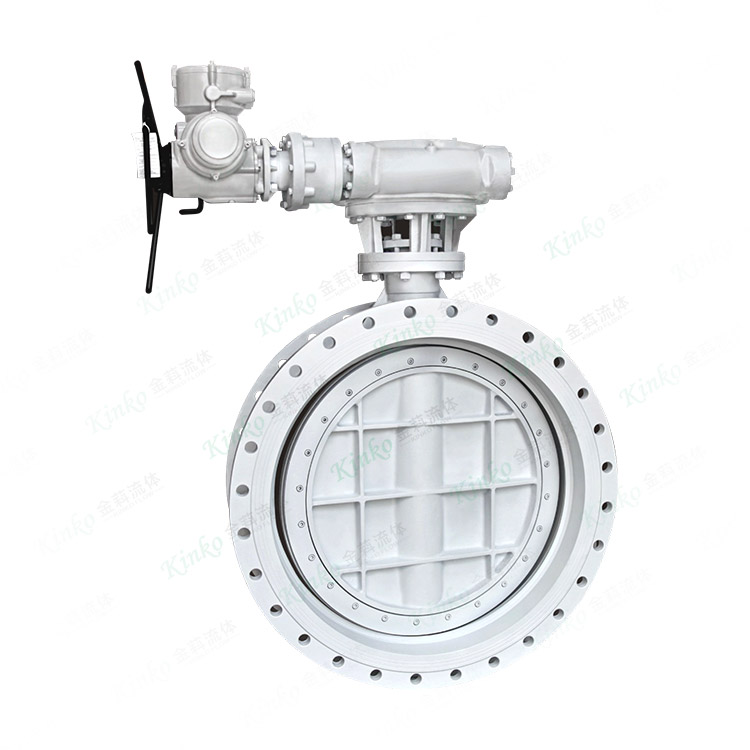
Monthly / Basic Checks
| Actuator Type | Task |
|---|---|
| All types | Verify manual override operates freely |
| All types | Check mounting bolts torque |
| Pneumatic | Check air supply pressure and filter bowl |
| Pneumatic | Drain moisture from air filter |
| Electric | Listen for unusual motor noise |
| Electric | Verify local/remote selector switch function |
Time required: 10–15 minutes per actuator
Who: Maintenance technician
Quarterly / Detailed Inspection
| Actuator Type | Task |
|---|---|
| All types | Inspect seals and gaskets for wear or cracking |
| All types | Lubricate moving parts (per manufacturer spec) |
| All types | Verify limit switch settings and end-of-travel stops |
| Pneumatic | Check solenoid valve operation (click test) |
| Pneumatic | Inspect tubing and fittings for leaks (soap test) |
| Electric | Check motor winding resistance (insulation test) |
| Electric | Verify battery backup charge (if equipped) |
| Hydraulic | Check oil level and condition (top up or replace) |
Time required: 30–60 minutes per actuator
Who: Instrumentation or reliability technician
Annually / Major Service
| Actuator Type | Task |
|---|---|
| Pneumatic | Replace seals and O-rings (full rebuild kit) |
| Pneumatic | Clean or replace air filter and regulator |
| Pneumatic | Calibrate positioner and stroke time |
| Electric | Check brake and clutch wear (mechanical) |
| Electric | Replace backup batteries (every 2–3 years) |
| Electric | Verify torque switch calibration |
| Hydraulic | Replace hydraulic fluid and filter |
| Hydraulic | Inspect hoses for cracks or bulging |
| All types | Full functional test (stroke cycle) |
| All types | Update maintenance log and spare parts inventory |
Time required: 2–4 hours per actuator
Who: Factory-trained technician or external service provider
3. Special Cases: More Frequent Maintenance
Some applications require shorter intervals:
| Condition | Recommended Interval |
|---|---|
| High cycle rate (>50 cycles/day) | Quarterly major inspection, annual rebuild |
| Dirty or dusty environment (cement, mining) | Monthly filter check, quarterly seal replacement |
| Corrosive atmosphere (chemical plant, wastewater) | Quarterly corrosion inspection, repaint as needed |
| Extreme temperature (outdoor desert or arctic) | Semi-annual lubricant check (grease thickening) |
| Safety-critical ESD valve | Monthly partial stroke test, annual full stroke test |
4. Actuator Maintenance Checklist (Printable Format)
Use this as a template for your maintenance log:
Actuator Tag: _________________
Type: □ Pneumatic □ Electric □ Hydraulic
Location: _________________
Date: _________________
Technician: _________________
| Frequency | Task | OK | Needs Attention | N/A |
|---|---|---|---|---|
| Daily | Position matches command | □ | □ | □ |
| Daily | No unusual noise or leaks | □ | □ | □ |
| Monthly | Manual override operates | □ | □ | □ |
| Monthly | Air supply clean & dry (pneumatic) | □ | □ | □ |
| Quarterly | Seals & gaskets intact | □ | □ | □ |
| Quarterly | Lubrication applied | □ | □ | □ |
| Quarterly | Limit switches correct | □ | □ | □ |
| Annually | Full functional stroke test | □ | □ | □ |
| Annually | Seals replaced (pneumatic) | □ | □ | □ |
| Annually | Battery replaced (electric) | □ | □ | □ |
Notes: _________________
Next service due: _________________
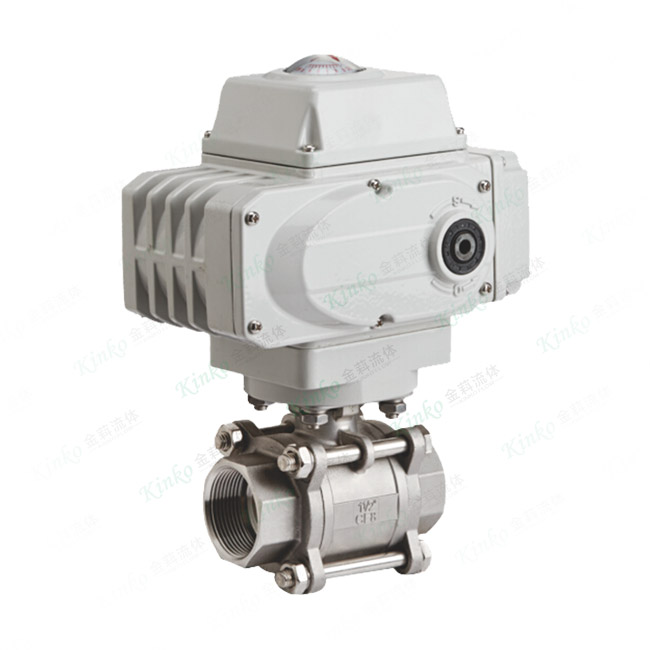
5. Signs Your Actuator Needs Immediate Attention
Do not wait for the next scheduled interval if you observe:
| Symptom | Likely Cause | Action |
|---|---|---|
| Slower than normal stroking | Low air pressure, worn seals, motor issue | Inspect immediately |
| Valve does not reach full position | Obstruction, torque too low, limit switch misadjusted | Stop process, investigate |
| Excessive noise (grinding, buzzing) | Worn gears, loose parts, motor bearing failure | Schedule repair within 48 hours |
| Fluid leak (air, oil) | Failed seal or fitting | Repair immediately |
| Actuator runs hot | Overcycling, motor overload, voltage issue | Reduce duty or replace |
| Position feedback mismatch | Sensor or encoder failure | Calibrate or replace sensor |
6. Extending Actuator Life: Best Practices
Beyond scheduled maintenance, these practices improve reliability:
Keep spare kits on hand: One seal kit per actuator type, one spare actuator for critical ESD valves.
Document everything: Log each service, stroke time, torque reading, and parts replaced.
Train operators: Simple daily checks catch problems before they escalate.
Use predictive tools: Vibration analysis for electric motors, ultrasonic leak detection for pneumatic systems.
Follow OEM specs: Use only recommended lubricants and replacement parts.
7. Comparison: Maintenance Effort by Actuator Type
| Aspect | Pneumatic | Electric | Electro-Hydraulic |
|---|---|---|---|
| Daily inspection | Minimal | Minimal | Minimal |
| Consumables | Air filter element, seals | Batteries (if backup), grease | Hydraulic oil, filter |
| Typical rebuild interval | 3–5 years | 5–8 years | 5–7 years |
| Skill level required | Medium | Medium-high | High |
| Common failure modes | Seal leaks, stuck spool | Motor failure, battery death | Hose leaks, pump wear |
Final Takeaway
An actuator that runs reliably for ten years is not a matter of luck—it is a matter of planning. A simple, disciplined maintenance schedule costing a few hours per actuator per year prevents catastrophic failures, extends equipment life, and keeps your fluid control system safe.
Daily visual checks. Monthly basics. Quarterly inspections. Annual rebuilds. Document everything.
Ivan (Mobile:+86-18968769287)
WhatsApp:+86-13579991606
Wechat:+86-18968769287
Website: www.kinko-flow.com
ZHEJIANG KINKO FLUID EQUIPMENT CO.,LTD

 info@kinko-flow.com
 +86-133 5611 9006