Tel:
Tel: E-Mail:
 English
 Chinese
 한국어
한국어
 Español




News
How Pressure Rating Affects Butterfly Valve Choice: PN, Class, and Selection Guide
Pressure rating determines how much internal pressure a butterfly valve can safely withstand. Selecting the wrong rating leads to seat extrusion, body failure, or unnecessary cost overruns.
This guide covers PN and Class ratings, pressure-temperature derating, and selection by application.
Pressure Rating Standards
| Standard | Region | Common Ratings |
|---|---|---|
| PN (DIN/EN) | Europe, Asia, International | PN10, PN16, PN25, PN40 |
| Class (ASME) | North America | Class 125, 150, 300, 600 |
| JIS | Japan | 5K, 10K, 16K, 20K |
PN vs Class – Quick Comparison
| Rating | Bar (max) | PSI (max) | Typical Use |
|---|---|---|---|
| PN10 | 10 Bar | 145 PSI | Low pressure water |
| PN16 | 16 Bar | 232 PSI | Standard HVAC, water |
| PN25 | 25 Bar | 363 PSI | Industrial, chemical |
| PN40 | 40 Bar | 580 PSI | High pressure, steam |
| Class 125 | 11 Bar | 160 PSI | Cast iron (low pressure) |
| Class 150 | 20 Bar | 290 PSI | Standard ASME |
| Class 300 | 50 Bar | 725 PSI | High pressure ASME |
| Class 600 | 100 Bar | 1,450 PSI | Very high pressure |
Note: PN16 (16 Bar) and Class 150 (20 Bar) are not equivalent. Verify before substituting.
Pressure Rating by Valve Type
| Valve Type | Typical Rating | Max Rating | Limiting Component |
|---|---|---|---|
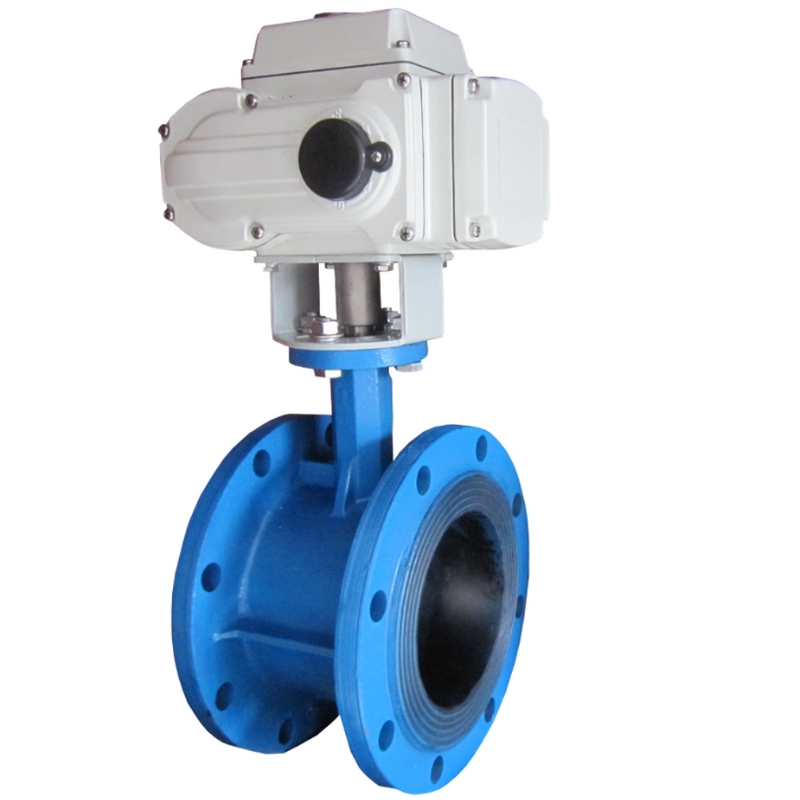
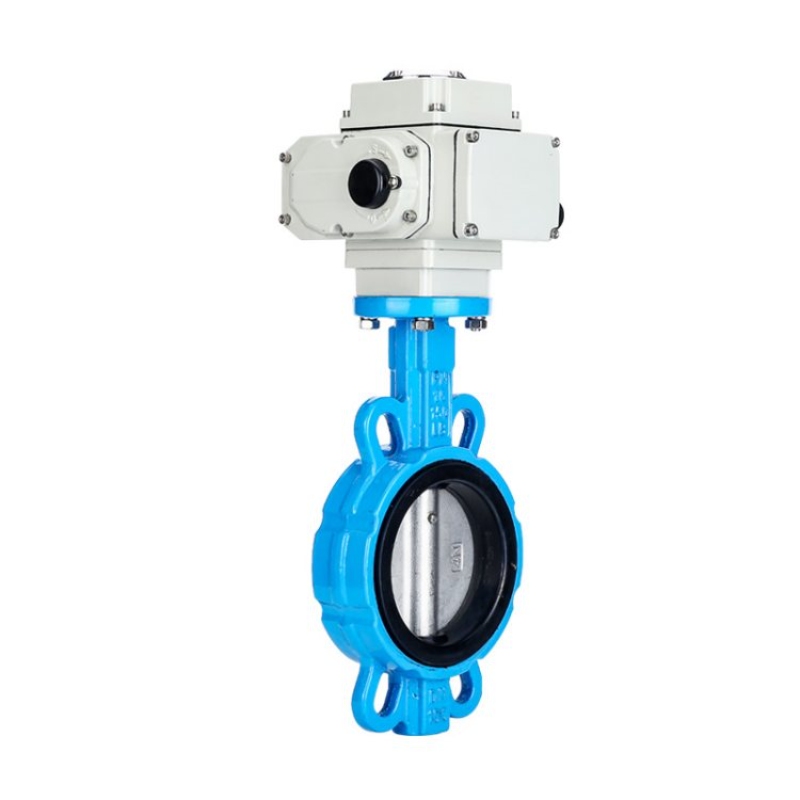
| Wafer type (rubber seat) | PN10-PN16 | PN25 (limited sizes) | Seat extrusion |
| Wafer type (PTFE seat) | PN16-PN25 | PN40 | Body strength |
| Lug type (rubber seat) | PN16-PN25 | PN25 | Seat + lugs |
| Lug type (PTFE/metal seat) | PN25-PN40 | PN40 | Body material |
| Double offset | PN25-PN40 | PN40 | Seat design |
| Triple offset | PN40-PN100+ | Class 600+ | Metal seat + body |
Pressure-Temperature Derating
Maximum pressure decreases as temperature increases. This applies to all butterfly valves.
PN16 Derating (Ductile Iron Body, EPDM Seat)
| Temperature (°C) | Max Pressure (Bar) | % of Rating |
|---|---|---|
| 20°C | 16.0 | 100% |
| 50°C | 15.2 | 95% |
| 80°C | 14.0 | 88% |
| 100°C | 12.5 | 78% |
| 120°C | 10.0 | 63% |
PN25 Derating (SS316 Body, PTFE Seat)
| Temperature (°C) | Max Pressure (Bar) | % of Rating |
|---|---|---|
| 20°C | 25.0 | 100% |
| 100°C | 23.5 | 94% |
| 150°C | 21.0 | 84% |
| 200°C | 18.0 | 72% |
| 230°C | 14.0 | 56% |
Class 150 Derating (Cast Steel Body, Metal Seat)
| Temperature (°F) | Temp (°C) | Max Pressure (PSI) | Max Pressure (Bar) |
|---|---|---|---|
| 100°F | 38°C | 290 | 20.0 |
| 200°F | 93°C | 260 | 17.9 |
| 300°F | 149°C | 230 | 15.9 |
| 400°F | 204°C | 200 | 13.8 |
| 500°F | 260°C | 170 | 11.7 |
Critical rule: Always consult P-T chart for your specific valve material combination.
Seat Material vs Maximum Pressure
| Seat Material | Max Pressure (Bar) | Limiting Factor |
|---|---|---|
| EPDM | 16 Bar | Extrusion at higher pressure |
| NBR | 16 Bar | Extrusion |
| Viton | 16-20 Bar | Extrusion + temperature |
| PTFE | 25 Bar | Cold flow (creep) |
| Reinforced PTFE | 40 Bar | Reduced cold flow |
| PEEK | 40-60 Bar | Very high strength |
| Metal | 40-100 Bar | Body strength |
Body Material vs Pressure Rating
| Body Material | Max Pressure (Bar) | Max Temperature | Typical Use |
|---|---|---|---|
| PVC / CPVC | 10 Bar | 60-80°C | Low pressure chemical |
| Ductile Iron (GGG40) | 25 Bar | 350°C | General industrial |
| Cast Steel (WCB) | 40 Bar | 425°C | High pressure steam |
| SS316 (CF8M) | 40 Bar | 650°C | Corrosive high pressure |
| Duplex | 40 Bar | 350°C | Seawater, high chloride |
| Hastelloy | 40+ Bar | 800°C+ | Extreme chemical |
Pressure Drop vs Pressure Rating – Do Not Confuse
| Term | Definition | Significance |
|---|---|---|
| Pressure rating | Maximum safe internal pressure | Safety limit |
| Pressure drop (ΔP) | Pressure loss across valve | Energy loss, cavitation risk |
Common mistake: A valve rated for PN16 can operate at 5 Bar with a 3 Bar pressure drop. The pressure drop does not need to be lower than the rating – only the inlet pressure matters.
Seat Extrusion – The High-Pressure Failure Mode
Seat extrusion occurs when pressure pushes soft seat material into the gap between disc and body.
| Pressure | Seat Risk | Prevention |
|---|---|---|
| <10 Bar | Low | Standard seat acceptable |
| 10-16 Bar | Moderate (EPDM) | Backup ring or reinforced seat |
| 16-25 Bar | High (soft seat) | PTFE or reinforced seat |
| 25-40 Bar | Very high | Metal seat or PEEK |
| >40 Bar | Not possible with soft seat | Metal seat only |
Extrusion Prevention Features
| Feature | Effect |
|---|---|
| Backup ring | Supports seat at high pressure |
| Reinforced PTFE (glass/carbon) | Reduces cold flow |
| Hard seat (PEEK) | Resists extrusion |
| Metal seat | No extrusion |
Selection by System Pressure
| System Pressure (Bar) | Recommended Valve Type | Seat Material |
|---|---|---|
| 0-6 Bar | Any type | EPDM, NBR, Viton |
| 6-10 Bar | Any type | EPDM, Viton, PTFE |
| 10-16 Bar | Wafer or lug | EPDM with backup ring, PTFE |
| 16-25 Bar | Lug or flanged | PTFE, reinforced PTFE |
| 25-40 Bar | Double offset, lug | Reinforced PTFE, PEEK, metal |
| 40-60 Bar | Triple offset, flanged | Metal seat (stellite) |
| 60-100 Bar | Triple offset only | Metal seat, special design |
Quick Selection Table by Application
| Application | Typical Pressure | Recommended Rating |
|---|---|---|
| HVAC chilled water (low rise) | 3-6 Bar | PN10 or PN16 |
| HVAC chilled water (high rise) | 8-12 Bar | PN16 or Class 150 |
| Boiler feedwater | 10-20 Bar | PN25 or Class 150/300 |
| Steam distribution | 5-15 Bar | PN25 (Class 150) |
| Chemical transfer | 4-10 Bar | PN16 (lined) |
| Chemical reactor | 10-25 Bar | PN25-PN40 (alloy) |
| Oil pipeline | 15-30 Bar | Class 150-300 |
| Gas transmission | 20-50 Bar | Class 300-600 |
| Fire protection | 10-16 Bar | PN16 or Class 150 |
| Seawater cooling | 2-8 Bar | PN16 (Duplex body) |
| High pressure water jet | 40-100 Bar | Class 300-600 |
Oversizing Pressure Rating – Cost Impact
Selecting a higher pressure rating than needed increases cost unnecessarily.
| Valve Size | PN16 Price | PN25 Price | PN40 Price |
|---|---|---|---|
| DN100 | $85 | $120 | $180 |
| DN150 | $150 | $210 | $320 |
| DN200 | $280 | $390 | $580 |
| Premium for PN25 | — | +40-50% | — |
| Premium for PN40 | — | — | +100-120% |
Cost-saving tip: Match pressure rating to system pressure, not pipe rating. Pipe may be rated higher than needed.
Ivan (Mobile:+86-18968769287)
WhatsApp:+86-13579991606
Wechat:+86-18968769287
Website: www.kinko-flow.com
ZHEJIANG KINKO FLUID EQUIPMENT CO.,LTD

 info@kinko-flow.com
 +86-133 5611 9006