Tel:
Tel: E-Mail:
 English
 Chinese
 한국어
한국어
 Español




News
1. The Actuator: The Muscle
The first step toward automation is replacing the handwheel with an actuator. Actuators provide the mechanical force required to open or close a valve automatically.
Common actuator types:
Pneumatic actuators: Use compressed air to generate torque. Ideal for fast response and hazardous environments.
Electric actuators: Use an electric motor. Suitable for applications where pneumatic supply is unavailable.
Spring-return actuators: Include a fail-safe mechanism that returns the valve to a safe position (open or closed) upon loss of power or air supply.
Without an actuator, a valve cannot be automated. With one, it becomes a remotely controllable device.
2. The Solenoid Valve: The Command Receiver
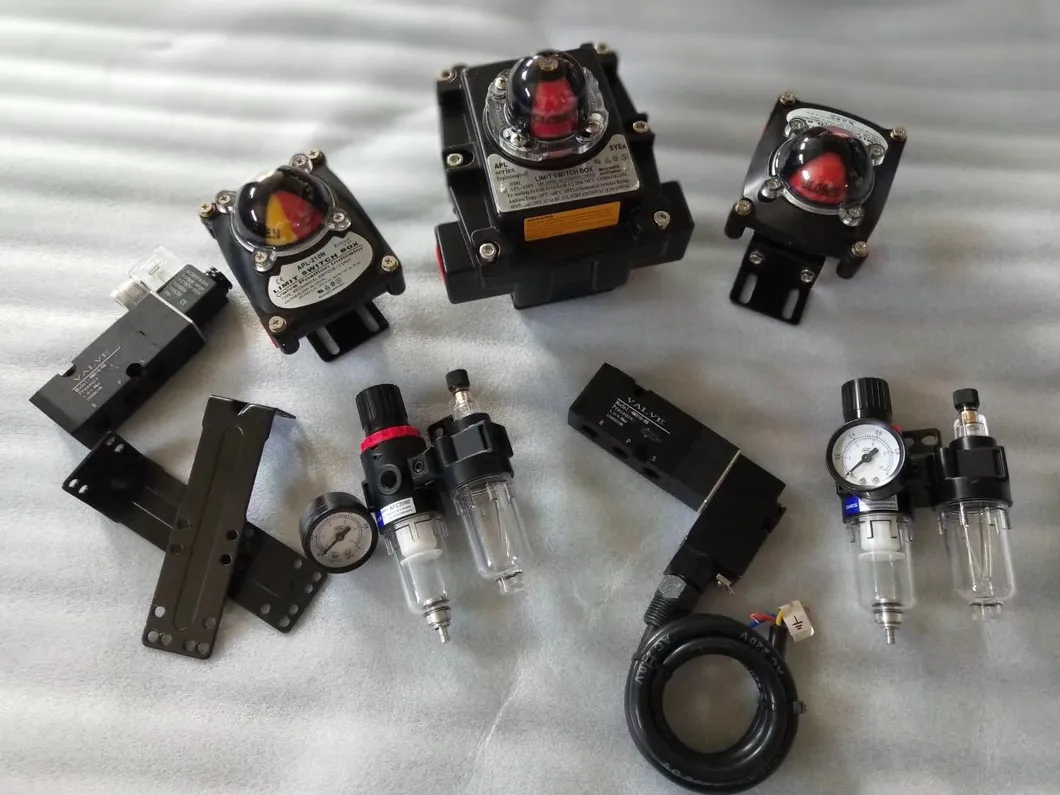
A solenoid valve is the "switch" that directs pneumatic pressure to the actuator. It converts an electrical signal (typically 24V DC or 110V AC) into a pneumatic action.
Why it matters:
Enables remote on/off control from a control room or PLC
Allows for rapid cycling
Can be configured for fail-safe operation
In simple automation applications, the solenoid valve is the only accessory needed to achieve basic remote control.
3. The Positioner: The Brain
For applications requiring precise flow control—not just fully open or fully closed—a positioner is essential.
A positioner compares the valve's actual position with the commanded position (usually a 4-20mA analog signal) and adjusts the actuator pressure accordingly to eliminate any deviation.
Key advantages:
Accurate modulation for throttling services
Compensation for friction and pressure variations
Linear or equal-percentage flow characteristics
Modern positioners also offer diagnostic capabilities, making them valuable for predictive maintenance programs.
4. The Limit Switch: The Feedback Provider
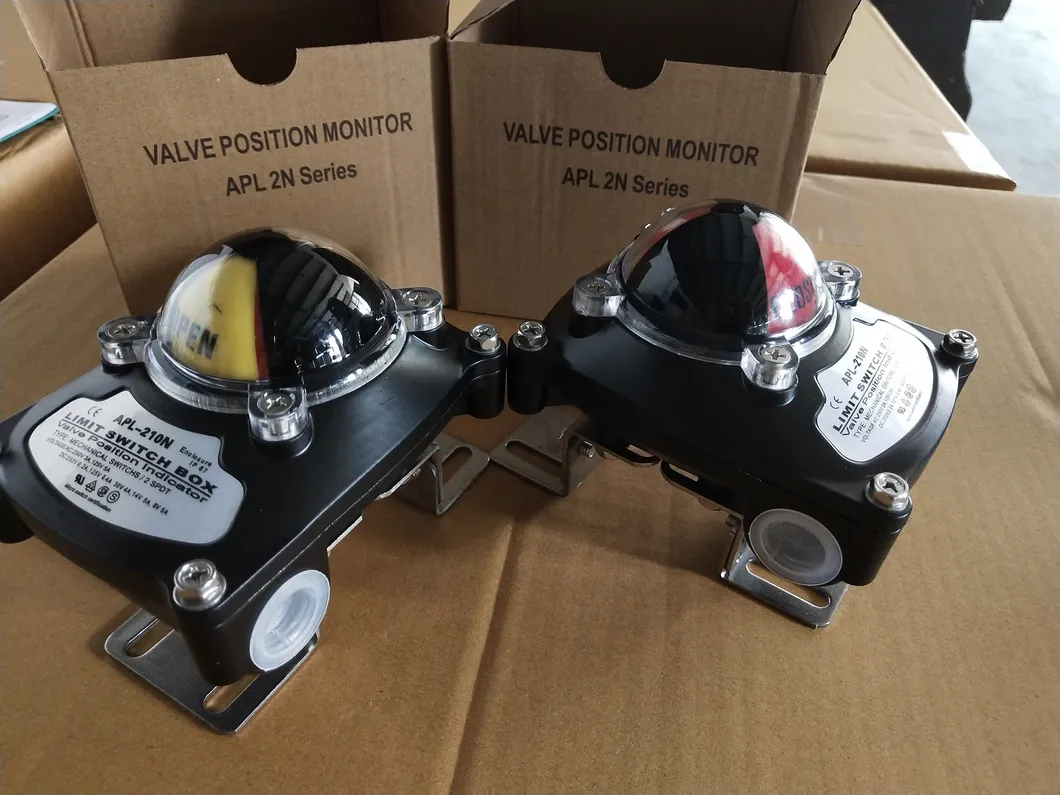
Automation is not just about sending commands; it is also about knowing the current status of the valve. A limit switch box provides visual and electrical indication of the valve's position.
Typical feedback includes:
Open/closed status for remote monitoring
Visual indicator (mechanical or proximity)
Interlocking signals for safety systems
This feedback allows operators to confirm that a command has been executed, which is critical for safety and process integrity.
5. The Filter Regulator: The Air Quality Guardian
Pneumatic systems require clean, dry air at the correct pressure. A filter regulator removes moisture and particulates while maintaining a stable supply pressure to the actuator and positioner.
Without it:
Actuator performance becomes inconsistent
Solenoid valves can jam
Internal components wear prematurely
This accessory is often overlooked but is fundamental to long-term reliability.
6. The Quick Exhaust Valve: The Speed Booster
In applications where rapid stroking is required—such as emergency shutdown valves—a quick exhaust valve is used. It allows air to be released from the actuator faster than through the standard solenoid exhaust path.
Benefits:
Faster closing or opening times
Improved safety response
Reduced cycle times in high-speed processes
7. The Complete Ecosystem
No single accessory works in isolation. The true power of automation emerges when these components are integrated into a cohesive package.
Consider the automation sequence for a modulating control valve:
The positioner receives a 4-20mA signal from the PLC.
The filter regulator ensures consistent air supply.
The positioner sends a pneumatic signal to the actuator.
The actuator positions the valve precisely.
The limit switch sends confirmation back to the PLC.
All of this happens in seconds—or fractions of a second—without human intervention.
Choosing the Right Accessories
Selecting the correct accessories depends on your specific application:
| Application Requirement | Essential Accessories |
|---|---|
| Basic remote on/off control | Actuator + Solenoid Valve |
| Modulating flow control | Actuator + Positioner + Filter Regulator |
| Safety-critical / fail-safe | Spring-return Actuator + Quick Exhaust |
| Remote monitoring and diagnostics | Limit Switch Box + Smart Positioner |
| Hazardous / explosive environments | Explosion-proof solenoids and enclosures |
Ivan (Mobile:+86-18968769287)
WhatsApp:+86-13579991606
Wechat:+86-18968769287
Website: www.kinko-flow.com
ZHEJIANG KINKO FLUID EQUIPMENT CO.,LTD

 info@kinko-flow.com
 +86-133 5611 9006